Water Damage Restoration & Structural Drying Services
Rapid Water Extraction and Complete Structural Moisture Recovery
Uncontrolled water intrusion from burst pipes, heavy rains, or plumbing failures can rapidly compromise structural framing, drywall, and subflooring if not addressed immediately. Higgy’s Cleaning Restoration and Remediation Services provides prompt, comprehensive water damage restoration across Beckwith and Eastern Ontario. Our experienced team deploys heavy-duty water extraction equipment, industrial air movers, and commercial dehumidifiers to stabilize humidity, thoroughly dry structural assemblies, and prevent secondary mold contamination in residential, commercial, and industrial properties.
Primary Property Risks Caused by Water Damage
Excess moisture penetrates deep into porous building materials within hours, creating structural instability and hidden mold hazards.
Burst Plumbing Lines
Sudden pressure breaks release hundreds of gallons of water directly into finished living spaces and lower levels.
Subterranean Basement Flooding
Heavy rainfall and ground saturation force water through foundation wall cracks and basement floors.
Saturated Wall Framing
Water travels upwards through drywall and insulation, weakening vertical timber studs and interior wall plates.
Subfloor Delamination
Trapped water underneath plywood or vinyl plank subflooring causes warping, swelling, and permanent structural separation.
Secondary Mold Spore Activation
Elevated indoor humidity above sixty percent triggers rapid mold growth on wet organic building materials within forty-eight hours.
Appliance & Supply Line Leaks
Slow, undetected leaks behind washing machines, dishwashers, or refrigerators rot underlying floor assemblies over time.
Our Four-Step Water Damage Restoration Process
Emergency Extraction & Inspection
We locate the moisture source, map moisture migration with electronic meters, and extract standing water using heavy-duty pumps.
Structural Containment Setup
Damaged, unsalvageable porous materials are removed and containment zones are created to focus airflow on wet structural framing.
Industrial Drying & Dehumidification
High-velocity air movers and commercial dehumidifiers are placed strategically to pull deep moisture out of walls and subfloors.
Moisture Verification & Surface Prep
Continuous moisture monitoring verifies that structural materials have reached safe dry standards before base coating or repair begins.
Built on Trade Knowledge & Local Commitment
Trade Experience
Cancer Support
Contracting Services
Emergency Response
Local Coverage
Knowledge Foundation
Property Care
Owner Oversight
Critical Indicators of Structural Water Saturation
Visible water staining, yellowing rings, or sagging drywall on ceilings and interior wall surfaces.
Soft, squishy, or buckled flooring underfoot near appliances, bathroom fixtures, or exterior walls.
Persistent damp, earthy, or musty smells coming from crawlspaces, basements, or enclosed cabinetry.
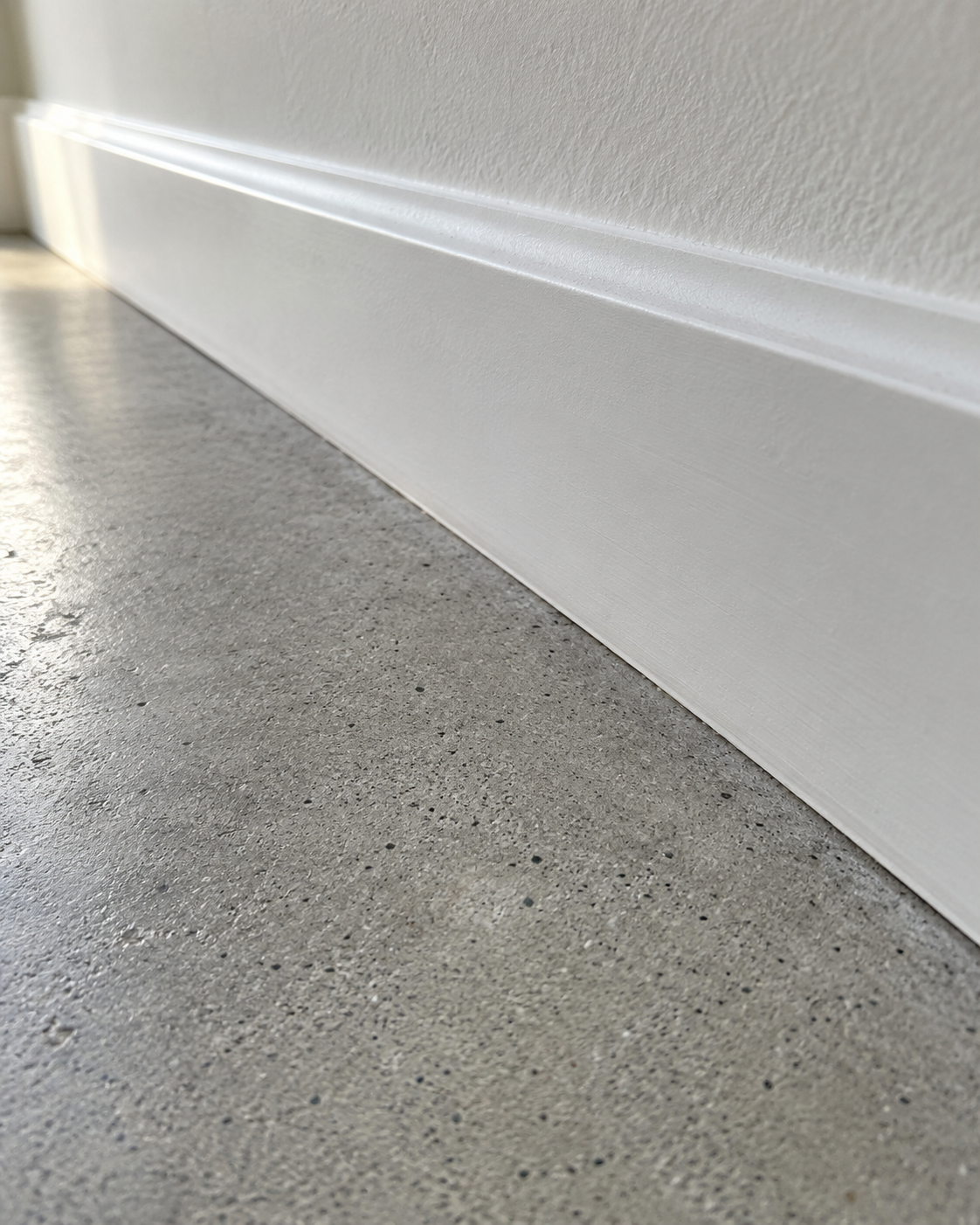
Peeling paint, bubbling wallpaper, or swelling baseboard trims along lower floor perimeters.
Sudden unexpected spikes in indoor humidity causing heavy window condensation.
Restore Structural Materials or Replace Saturations?
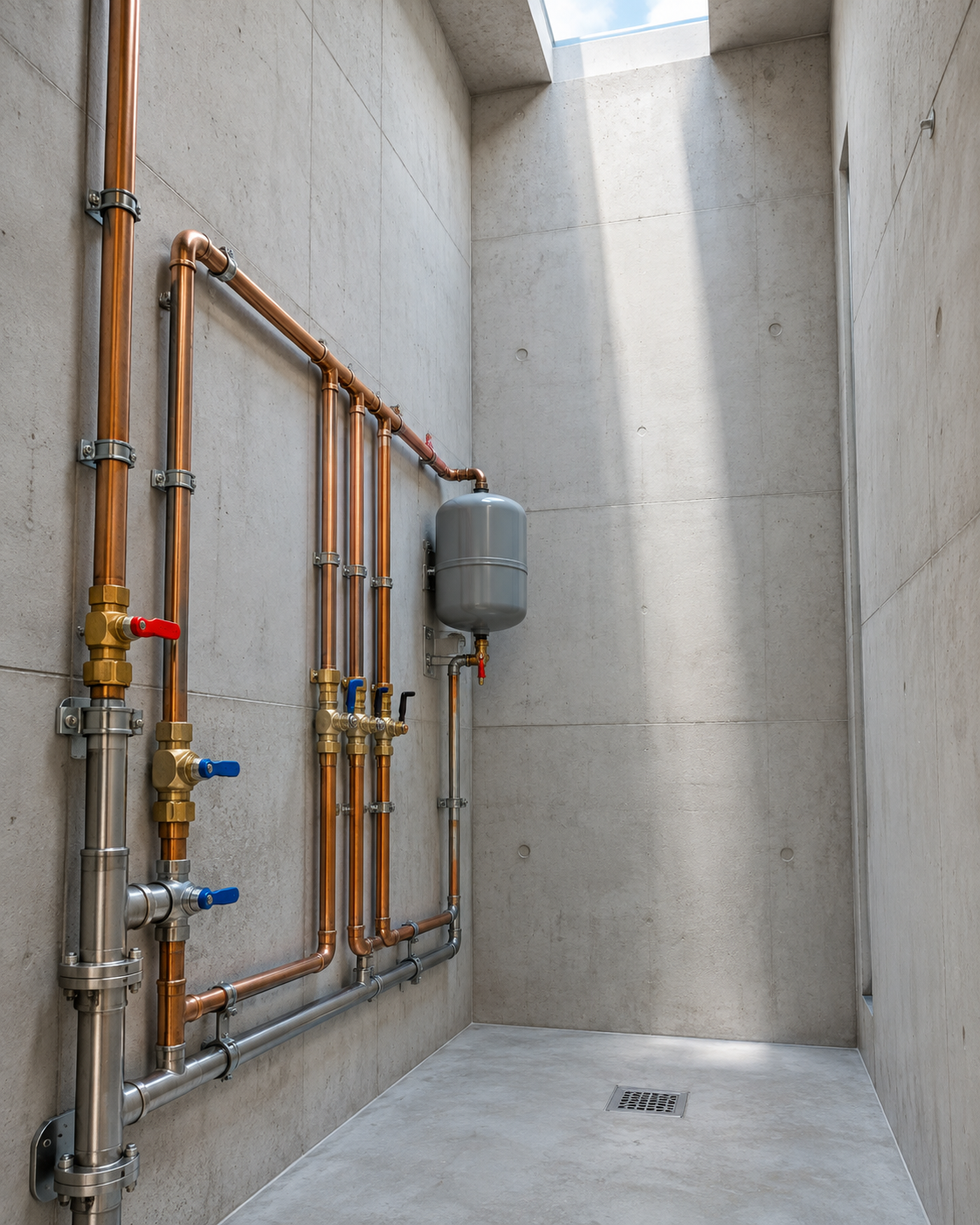
Deciding whether water-impacted materials can be dried and restored or must be torn out depends on water classification, exposure duration, and material porosity. Clean water from broken supply lines affecting hard surfaces, timber framing, and concrete can usually be completely dried, disinfected, and saved if extraction begins quickly. However, porous drywall, carpet padding, and insulation exposed to contaminated floodwaters or left saturated for extended periods suffer irreversible structural degradation and require removal. A comprehensive moisture inspection guides the exact restoration plan for your building.
Frequently Asked Questions About Water Damage Restoration
How quickly should water extraction begin after a flood or leak?
Water extraction should begin immediately because structural materials absorb moisture rapidly, increasing the risk of wood warping, drywall breakdown, and mold growth within twenty-four to forty-eight hours.
How long does the structural drying process take?
Most structural drying projects take between three and five days, depending on the volume of water, building material density, and overall indoor humidity levels.
Can carpet or subflooring be saved after water damage?
Clean water leaks caught quickly often allow carpets and subfloors to be thoroughly dried and disinfected, whereas blackwater or sewage backups require immediate disposal of porous floor padding.
Why are air movers and dehumidifiers necessary together?
Air movers evaporate trapped moisture out of wall studs and subfloors into the air, while dehumidifiers pull that airborne moisture out of the room to prevent re-absorption.
How do you verify that structural framing is completely dry?
We use calibrated electronic moisture meters and thermo-hygrometers to take precise readings deep inside structural timbers and concrete subfloors before clearing the job.
Serving Beckwith and Eastern Ontario Communities
We provide rapid water damage restoration, structural drying, mold remediation, and biohazard cleanup across these verified locations: