
Concrete Floor Grinding & Subfloor Prep
Professional Concrete Mechanical Surface Prep and Adhesive Stripping
Installing new interior flooring over uneven concrete, stubborn carpet glue, or deteriorating tile mastic leads to premature floor failure and irregular finishes. Higgy’s Cleaning Restoration and Remediation Services provides specialized concrete floor grinding and subfloor surface preparation across Beckwith and Eastern Ontario. Our experienced team uses heavy-duty mechanical surface equipment to strip old adhesives, flatten concrete high spots, and prepare clean subfloor profiles for residential, commercial, and industrial properties.
Subfloor Prep Challenges Impacting New Installations
Unprepared concrete surfaces retain old glues, dips, and coatings that prevent new epoxy, vinyl plank, or tile flooring from bonding correctly.
Stubborn Carpet Adhesive Mastic
Aged yellow carpet glue or black cutback adhesive stays stuck to concrete pores, resisting basic hand scraping.
Uneven Concrete High Spots
Subfloor humps, ridge lines, and rough poured edges cause new luxury vinyl plank flooring to bow or unlock at seams.
Failed Epoxy and Sealers
Flaking, peeling interior concrete paint or old floor sealers prevent fresh coatings from adhering to subfloors.
Old Tile & Mortar Deposits
Hard thin-set mortar ridges left behind after ceramic tile removal leave rough surfaces unsuitable for new underlayment.
Surface Laitance & Dusting
Weak, chalky top layers of aged concrete crumble under heavy foot traffic, weakening new flooring bonds.
Moisture-Trapping Residues
Legacy floor backing materials hold dampness against concrete slabs, risking subfloor decay.
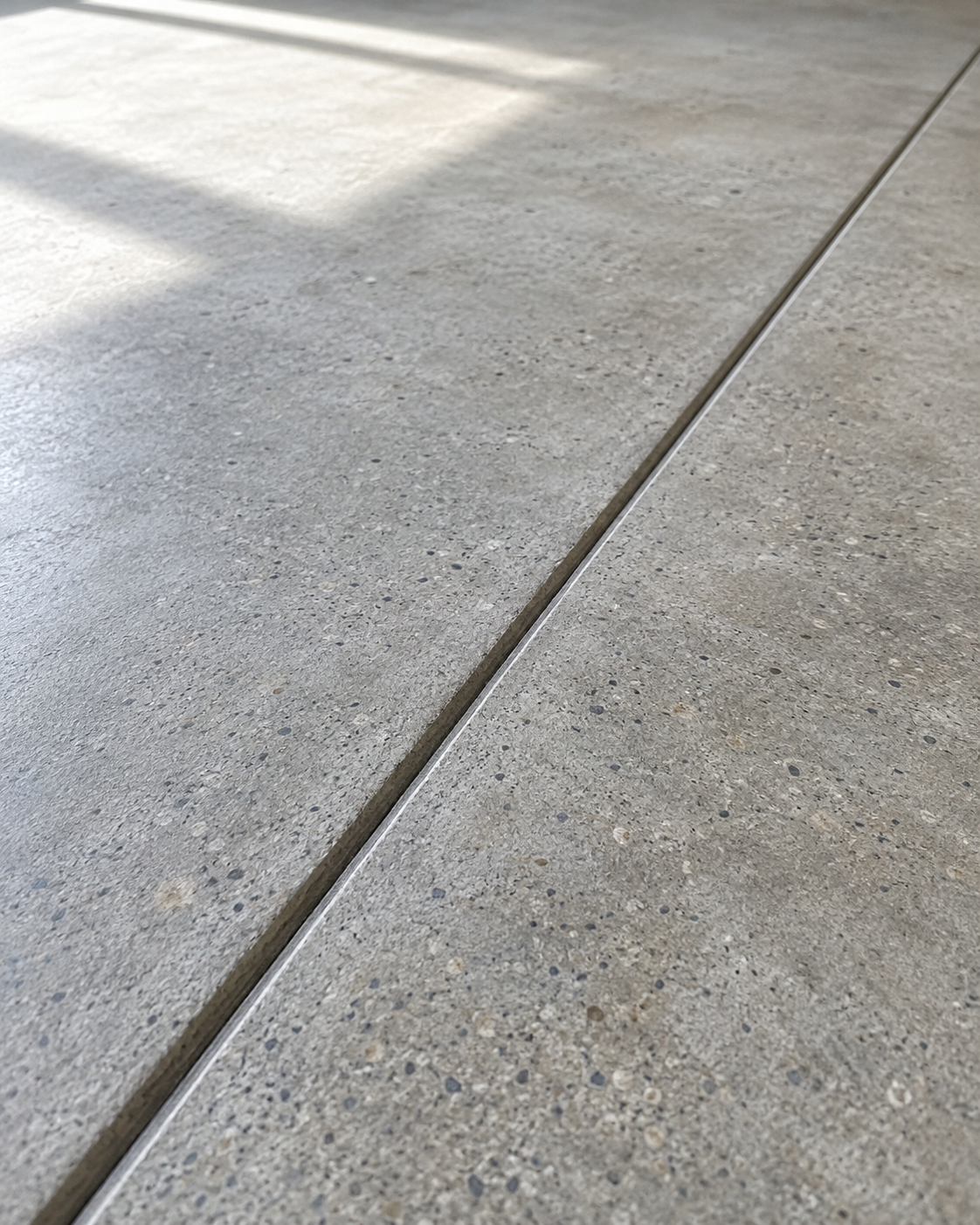
Our Four-Step Floor Grinding Process
Floor Tear-Out & Surface Clearance
Old carpets, linoleum, or cracked tiles are stripped away and loose debris is completely removed from the room.
Mechanical Diamond Grinding
Industrial rotary grinders flatten concrete high spots and strip stubborn glues, paints, and thin-set residues.
HEPA Vacuuming & Dust Control
High-powered HEPA dust extraction vacuums clean micro-dust from open concrete pores and wall perimeters.
Subfloor Inspection & Priming
A final surface flatness check confirms the concrete profile is clean, level, and ready for base coating or new floor installation.
Built on Trade Knowledge & Local Commitment
Trade Experience
Cancer Support
Contracting Services
Emergency Response
Local Coverage
Knowledge Foundation
Property Care
Owner Oversight
Critical Indicators Requiring Mechanical Floor Grinding
Widespread yellow or black adhesive lines visible across concrete after carpet or tile tear-out.
Visible dips, humps, or uneven height variations across a room’s concrete subfloor slab.
Chipping, flaking, or peeling gray paint on concrete basement or commercial floors.
Rough, hardened mortar ridges remaining on subflooring following ceramic tile removal.
Excessive concrete dusting that continues to collect on boots even after sweeping.
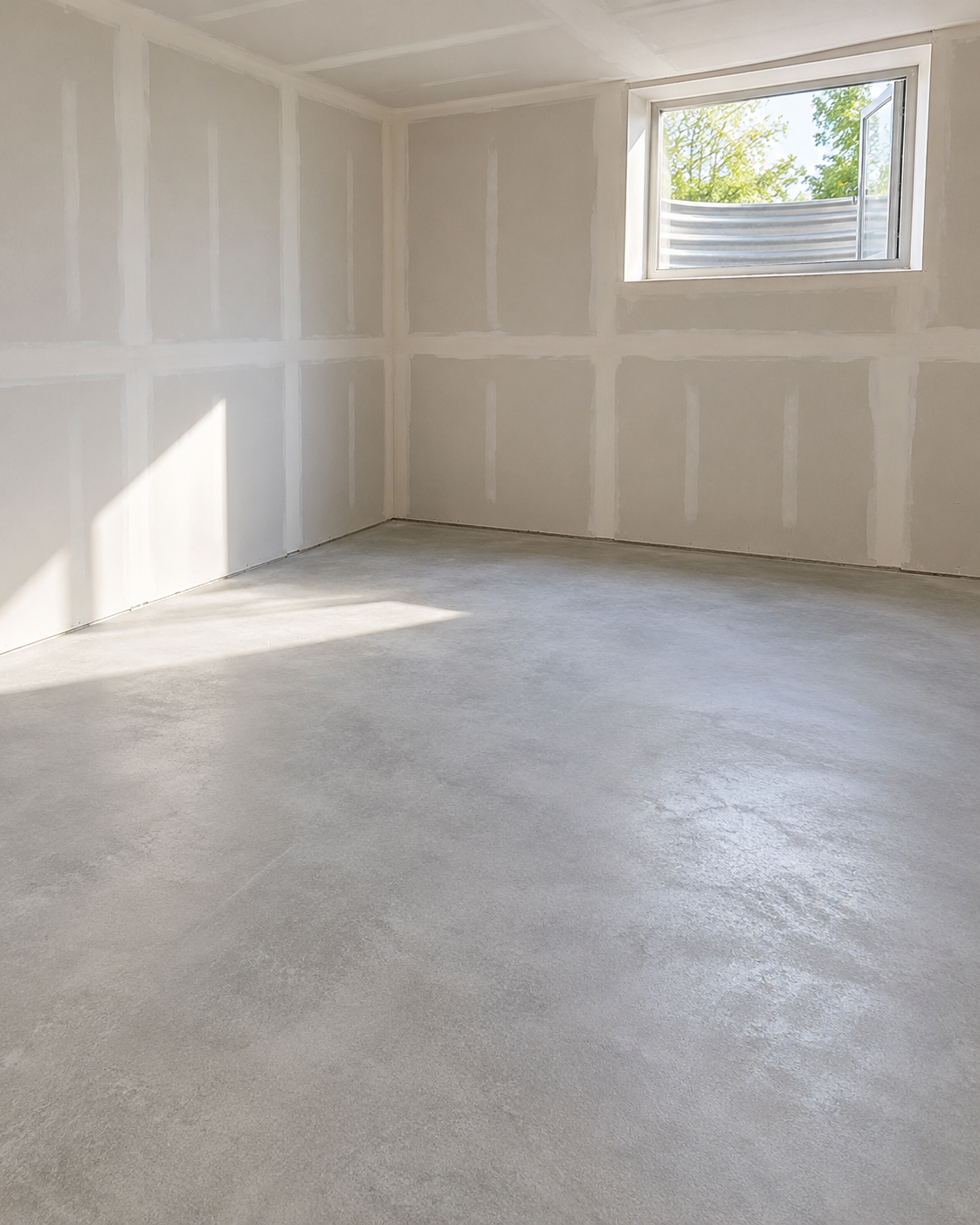
Chemical Stripping or Mechanical Concrete Grinding?
Deciding between chemical solvent stripping and mechanical diamond grinding depends on subfloor condition, coating thickness, and indoor air safety needs. Chemical strippers melt surface glues but leave toxic chemical sludges trapped in concrete pores that can off-gas into enclosed rooms. Mechanical diamond grinding physically removes old adhesives, paints, and thin-set mortar without liquid chemicals while profiling the concrete to create a strong mechanical bond for new coatings. Mechanical grinding is the safer, more durable choice for long-term subfloor performance.
Frequently Asked Questions About Floor Grinding
Why is concrete floor grinding necessary before installing new flooring?
Grinding removes old glues, paints, and high spots to create a clean, porous concrete surface that allows new adhesives, epoxy, or floor underlayment to bond permanently.
Can floor grinding remove black mastic carpet glue?
Yes, specialized diamond grinding tooling effectively strips heavy carpet glues, yellow adhesives, and black mastic from concrete subflooring.
Is the concrete floor grinding process dusty?
We use industrial HEPA dust extractors connected directly to our grinding equipment to capture dust at the source and keep your air clean.
How long does it take to grind a basement or commercial floor?
Most residential basements or standard commercial spaces take between one and two days to complete floor removal, grinding, and vacuuming.
Can floor grinding level uneven concrete slabs?
Grinding flattens minor humps, ridges, and height transitions between slab sections, though deep dips may require specialized self-leveling underlayment after grinding.
Serving Beckwith and Eastern Ontario Communities
We provide professional concrete floor grinding, subfloor prep, mold remediation, and restoration across these verified locations: