Asbestos Containing Material (ACM) Removal & Containment
Safe Containment and Abatement of Asbestos Building Hazards
Asbestos containing materials present serious environmental risks when fibers become airborne during building renovations, repairs, or structural aging. Higgy’s Cleaning Restoration and Remediation Services provides compliant asbestos containing material (ACM) containment and removal across Beckwith and Eastern Ontario. Whether managing vinyl floor tiles, textured plaster, thermal pipe insulation, or ceiling materials, our trade-experienced team establishes strict negative pressure isolation zones to safely abate hazardous materials and protect your indoor environment.
Common Asbestos Hazards in Older Structures
Aging, damaged, or disturbed asbestos building materials release microscopic fibers into ambient air pathways, requiring professional containment.
Deteriorating Pipe Insulation
Crumbling thermal insulation around older heating pipes sheds loose fibers into basement utility spaces.
Disturbed Vinyl Floor Tiles
Brittle legacy floor tiles and underlying black mastic adhesive crack during renovation or floor removal attempts.
Damaged Acoustic Ceiling Plaster
Aging textured ceiling materials sag or disintegrate, dropping debris onto living or workspace floors.
Exposed Duct Wrap
Torn exterior insulation wrap on old metal ductwork allows fibers to enter circulating indoor air streams.
Renovation Debris Exposure
Uncontrolled demolition of legacy drywall joint compounds releases hazardous airborne dust throughout the property.
Weather-Damaged Transite Siding
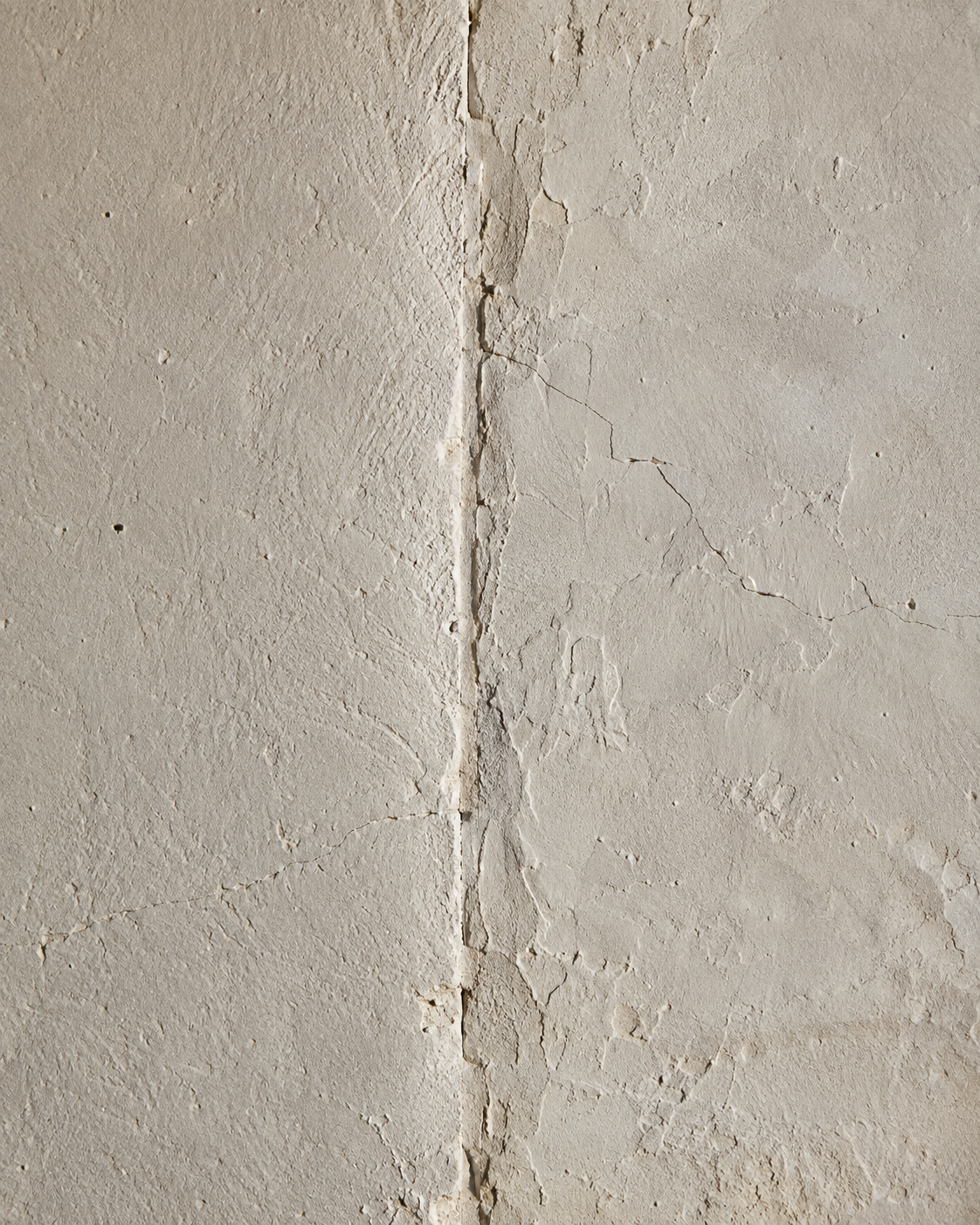
Cracked or weathered cement-asbestos wall paneling breaks down under exterior environmental moisture cycles.
Our Four-Step Asbestos Removal Process
Sampling & Containment Setup
We inspect suspected building materials and construct sealed plastic isolation zones using negative air pressure systems.
Controlled Material Abatement
Experienced technicians carefully wet down and remove asbestos containing materials to prevent airborne fiber dispersion.
HEPA Vacuuming & Surface Washing
All interior surfaces within the containment boundary undergo detailed HEPA vacuuming and wet decontamination wiping.
Final Inspection & Waste Clearance
Work areas are visually cleared, sealed with protective base coatings, and all bagged hazardous materials are safely transported off-site.
Built on Trade Knowledge & Local Commitment
Trade Experience
Cancer Support
Contracting Services
Emergency Response
Local Coverage
Knowledge Foundation
Property Care
Owner Oversight
Critical Indicators of Potential Asbestos Degradation
Visible cracking, flaking, or water damage on textured popcorn ceilings installed prior to modern regulations.
Loose, disintegrating canvas wrapping or fibrous material hanging off basement heating pipes.
Chipped, curling, or lifting 9x9-inch vinyl floor tiles revealing dark adhesive underneath.
Disturbed wall plaster or drywall joint compound during ongoing home or commercial remodeling.
Unsealed vintage insulation materials visible around older duct registers and attic hatches.
Encapsulate or Completely Remove Asbestos Materials?
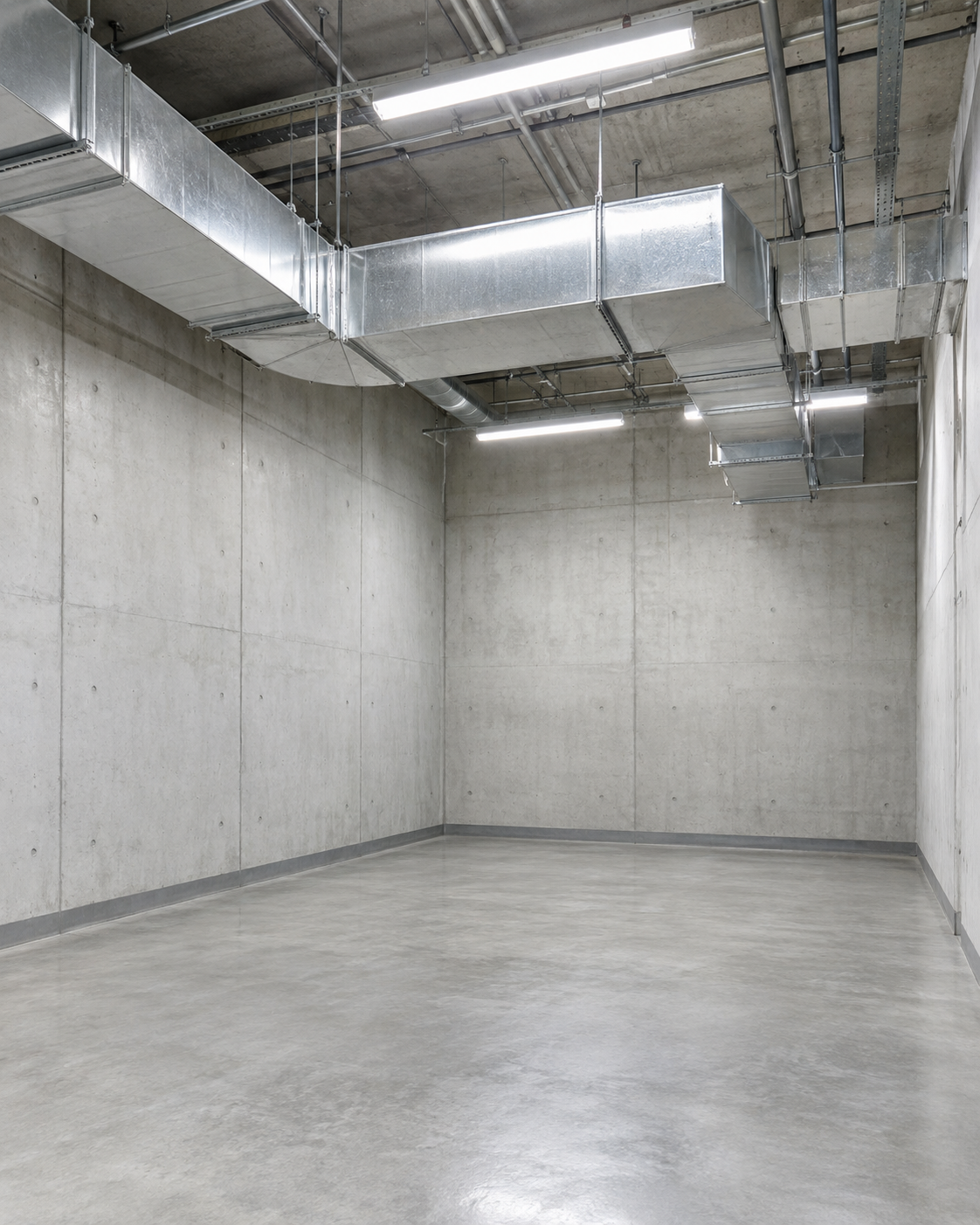
Determining whether asbestos containing material should be encapsulated or completely removed depends on material stability, location, and upcoming renovation plans. Intact, undamaged asbestos materials that are undisturbed may sometimes be sealed using protective encapsulating coatings to prevent fiber release. However, if materials are crumbling, water-damaged, or located in areas planned for active demolition, complete physical abatement and removal is required. A detailed structural site evaluation determines the safest decision for your property.
Frequently Asked Questions About Asbestos Removal
How do I know if materials in my building contain asbestos?
Visual inspection alone cannot confirm asbestos content; laboratory testing of physical samples collected during an initial site assessment is required to verify its presence.
Can I remove asbestos floor tiles or pipe wrapping myself?
DIY removal is unsafe because improper handling breaks brittle materials, releasing invisible fibers into living areas that linger in air currents indefinitely.
What is negative air pressure containment in asbestos abatement?
Negative air pressure containment uses HEPA-filtered exhaust equipment to pull air inward toward the work zone, preventing hazardous fibers from leaking into unaffected rooms.
How long does an asbestos removal project typically take?
Project timelines vary depending on containment size and material type, but most residential or small commercial abatement projects take between one and three days.
How is asbestos waste safely disposed of after removal?
All removed asbestos materials are double-bagged in designated heavy-duty containment bags, sealed air-tight, and transported to certified hazardous waste disposal facilities.
Serving Beckwith and Eastern Ontario Communities
We provide professional asbestos containment, mold remediation, biohazard cleanup, and property restoration across these verified locations: