Priming & Base Coating Surface Preparation
Durable Base Coating and Specialized Mold-Resistant Surface Priming
Applying finish paint directly over raw drywall, repaired masonry, or previously remediated timber leads to uneven sheen, poor paint adhesion, and recurring moisture issues. Higgy’s Cleaning Restoration and Remediation Services provides professional priming and base coating prep across Beckwith and Eastern Ontario. Whether supporting general contractor restoration builds or sealing surfaces after mold abatement, our team applies high-grade base coats, specialized mold-inhibiting primers, and uniform eggshell white base paint to protect structural substrates in residential, commercial, and industrial properties.
Surface Preparation Deficiencies Impacting Interior Walls
Unprimed building materials absorb liquid paint unevenly, allowing moisture, lingering stains, and structural odors to bleed through finished wall coatings.
Flaking Paint on Untreated Drywall
Raw drywall paper and joint compound absorb moisture rapidly, causing finish coats to peel off in sheets.
Recurring Fungal Bleed-Through
Standard interior wall paints lack fungal inhibitors, allowing dormant mold spores to penetrate fresh topcoats in damp rooms.
Water Stain Bleed-Through
Legacy water rings and dark smoke stains dissolve into water-based finish paints, discoloring newly painted surfaces.
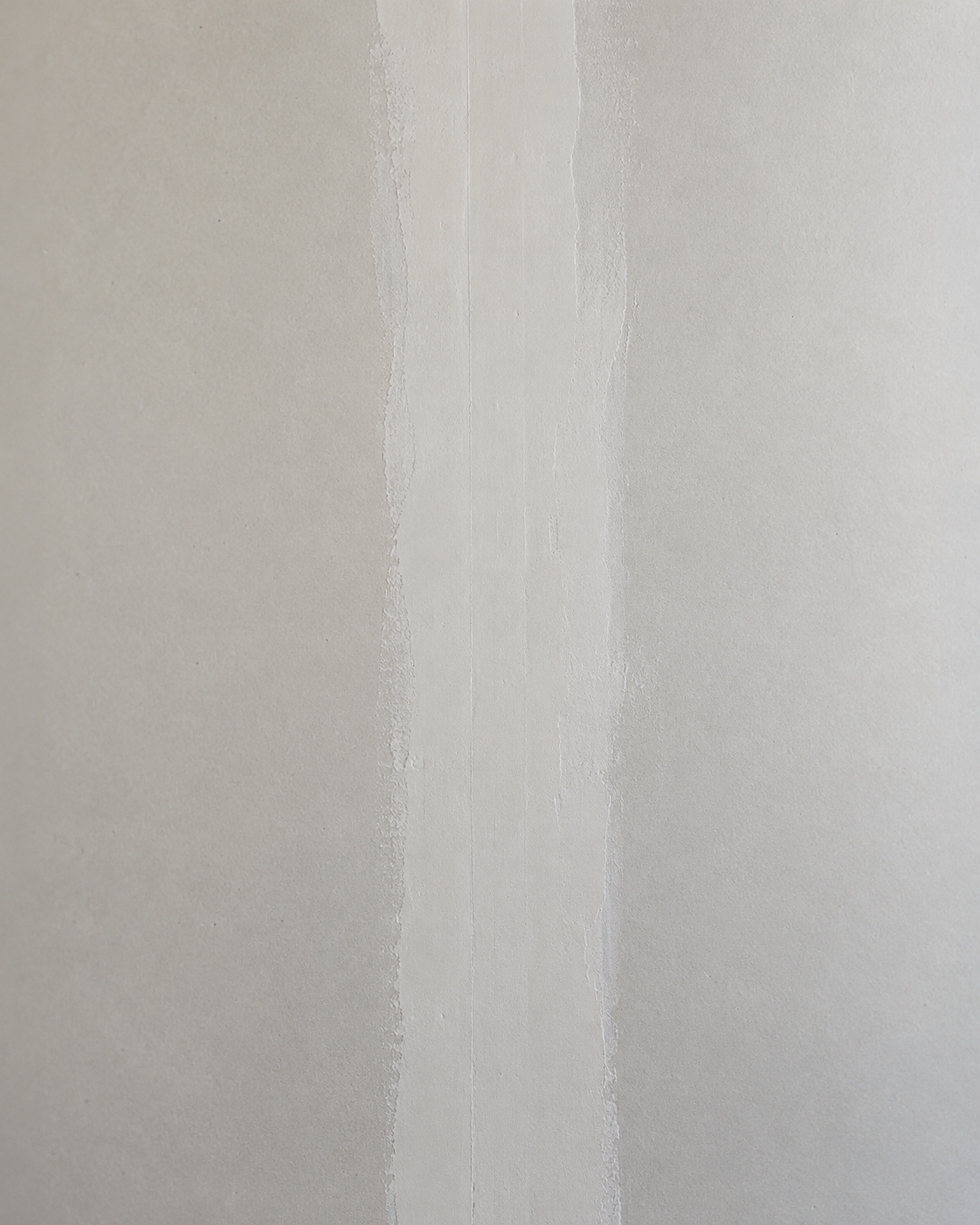
Uneven Sheen and Joint Flashing
Variations in porosity between joint tape compound and bare drywall paper create patchy, dull spots across finished walls.
Unsealed Subfloor and Framing Timber
Bare structural wood studs left unsealed retain dampness and lingering odors following restoration work.
Poor Base Adhesion on Masonry
Porous basement concrete block and foundation walls shed unprimed topcoats due to natural subterranean vapor pressure.
Our Four-Step Priming & Coating Process
Surface Inspection & Cleaning
Walls, timber framing, and masonry are inspected, sanded smooth, and thoroughly cleaned of dust, grease, and debris.
Stain & Odor Lock Application
Specialized stain-blocking primers are applied to isolate old water rings, soot, or biological discoloration.
Mold-Resistant Base Coating
Heavy-duty base coats containing fungal growth inhibitors are applied to protect framing and high-humidity wall zones.
Uniform Finish Inspection
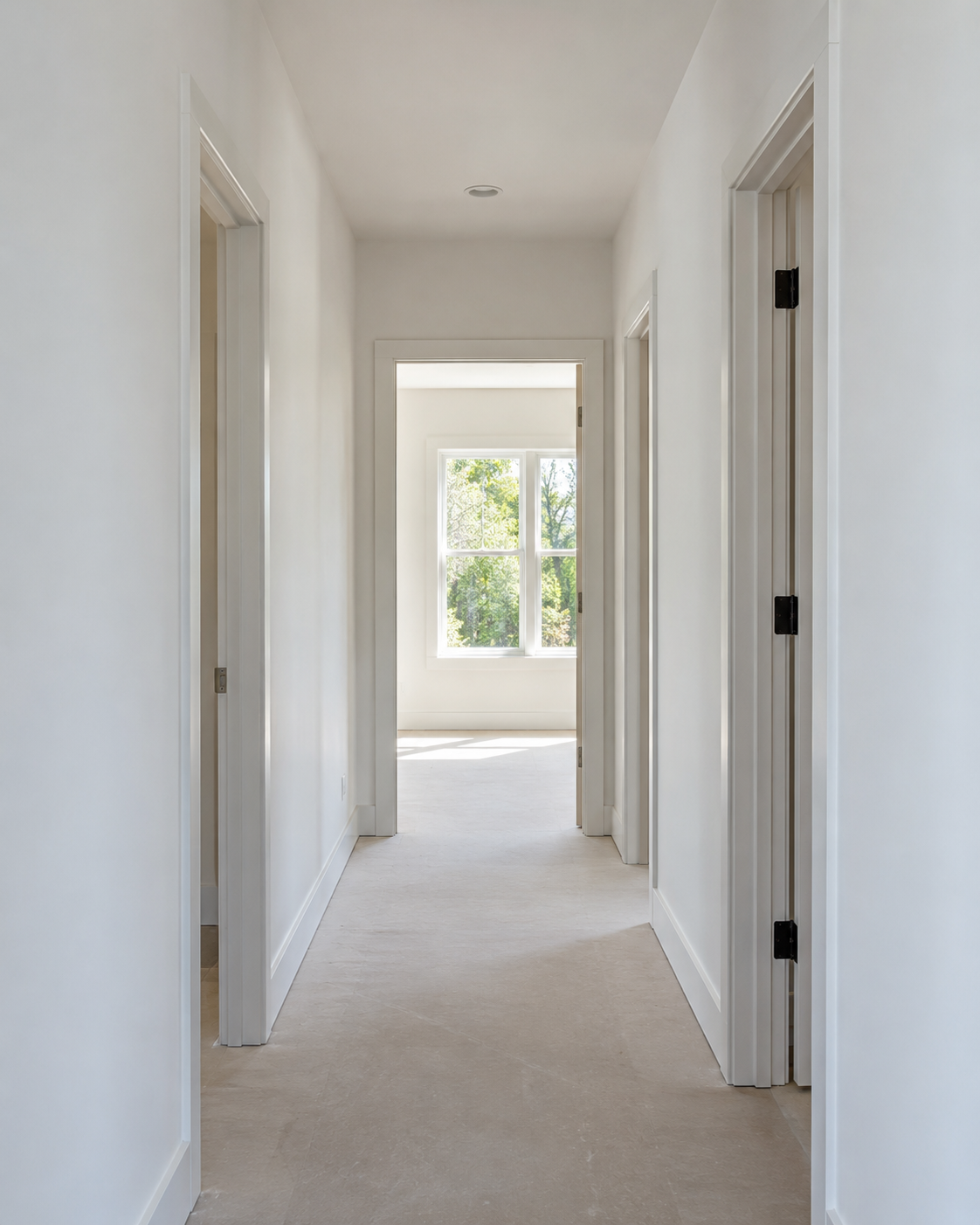
A final lighting inspection confirms smooth, uniform white base coverage across all surfaces prior to contractor handoff or final paint.
Built on Trade Knowledge & Local Commitment
Trade Experience
Cancer Support
Contracting Services
Emergency Response
Local Coverage
Knowledge Foundation
Property Care
Owner Oversight
Critical Indicators Requiring Professional Base Priming
Yellowish water stain halos bleeding through existing topcoat paint on ceilings or exterior walls.
Dull, uneven patches visible across drywall seams when light reflects across painted walls.
Recent completion of mold remediation, water damage drying, or fire restoration work.
Newly installed raw drywall panels or freshly mudded joint compound waiting for initial paint.
Persistent musty smells emanating from bare timber studs inside crawlspaces or unfinished utility rooms.
Direct Topcoat Application or Mold-Resistant Priming?
Deciding between applying standard finish paint directly or using specialized mold-resistant priming depends on room humidity, surface history, and material porosity. Skipping primer on raw drywall or previously moisture-damaged framing leads to flashing seams, premature paint peeling, and potential mold regrowth behind the paint film. Applying a dedicated mold-resistant primer locks in porous substrates, neutralizes lingering stains, and establishes a moisture-resistant barrier that protects your structural investment. Professional priming ensures long-term coating performance.
Frequently Asked Questions About Priming & Base Coating
Why is specialized mold-resistant primer necessary after mold remediation?
Mold-resistant primer contains active fungicides that seal treated building materials, preventing dormant fungal spores from penetrating back through the paint film.
Can base coat priming stop water stains from showing through wall paint?
Yes, specialized stain-blocking primers seal water rings, grease marks, and soot so they cannot dissolve into or discolor fresh finish topcoats.
What is the difference between standard primer and eggshell white base coating?
Standard primer seals material porosity and promotes adhesion, while an eggshell white base coat provides a smooth, uniform, low-sheen protective layer ready for final paint or immediate utility use.
How long does primer need to dry before applying the topcoat paint?
Drying times vary based on humidity and ventilation, but most professional base coats dry to the touch within one to two hours and accept finish paint after four hours.
Do you provide base coating services for general contractors and builders?
Yes, we work alongside general contractors, commercial property managers, and homeowners to provide structural priming, drywall base coating, and subfloor sealing.
Serving Beckwith and Eastern Ontario Communities
We provide professional priming, base coating, floor prep, mold remediation, biohazard cleanup, and restoration across these verified locations: